Conference on Russia 2026 – Archive
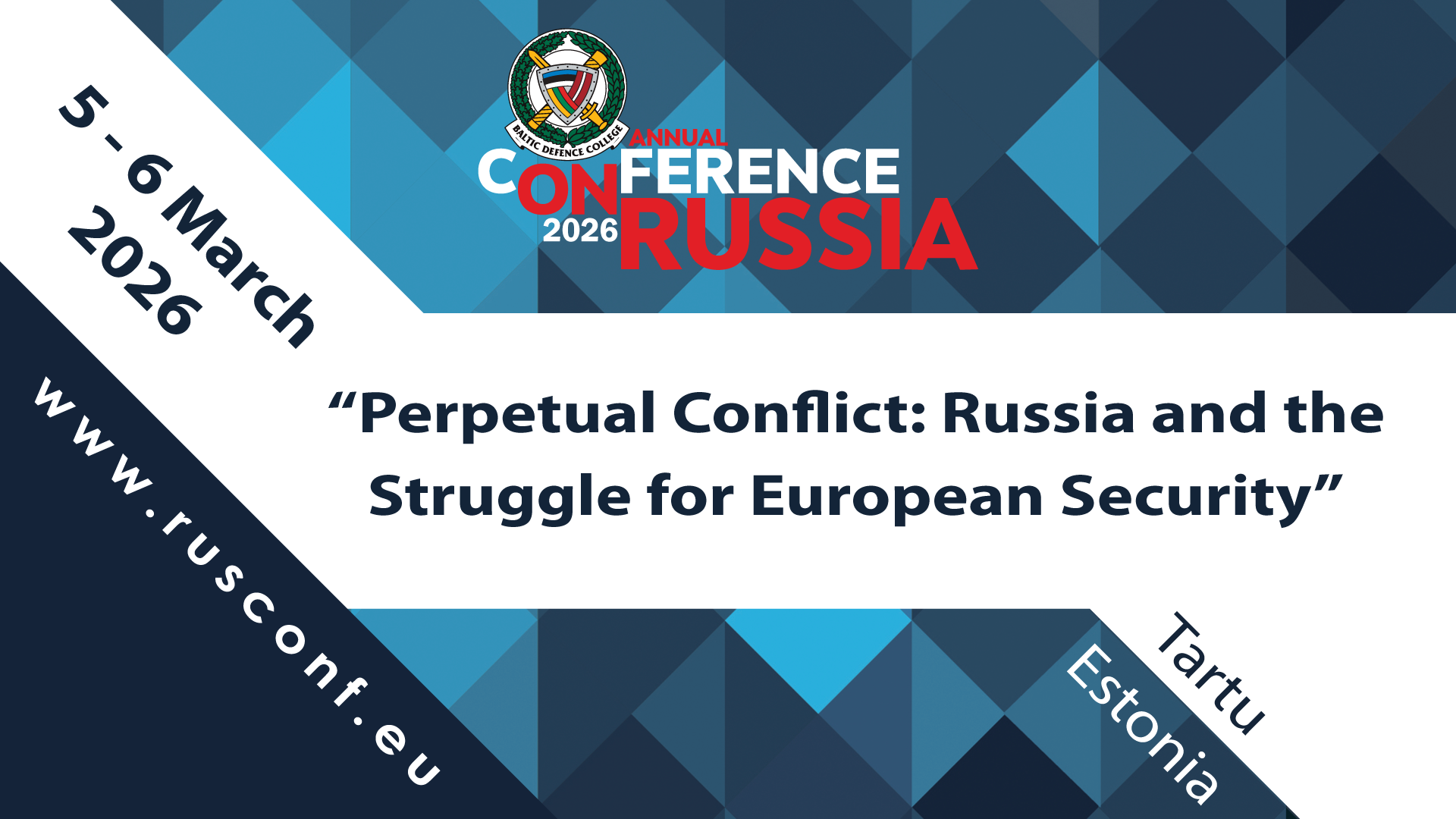
On 5-6 March 2026, the 12th Annual Conference on Russia took place in the V SPA Conference Centre. The subtitle of the conference this year was: “Perpetual Conflict: Russia and the Struggle for European Security”
The conference examined upcoming European security challenges and potential solutions in the context of Russia’s ongoing aggression. In the context of ongoing geopolitical tensions, Russia’s behavior remains a subject of profound concern. The conflict between Russia and Ukraine reflects broader challenges that impact the European security framework beyond their direct bilateral relationship. While ending hostilities is important, potential shifts in security dynamics could pose new challenges, especially for NATO member states on the Alliance’s eastern flank.
A significant highlight of the event was the keynote address by Lord Robertson of Port Ellen, former Secretary General of NATO, who emphasised that NATO remains a purely defensive alliance and is not an enemy of the Russian people. Reflecting on his extensive career, he remarked that President Putin has achieved in mere months what he himself could not achieve in four years: the accession of Sweden and Finland to NATO.
Programme
| 09:00–10:00 |
Registration and Welcome Coffee
Gathering and registration for the Annual Conference on Russia 2026
Sergeant-at-Arms: CSM Alvydas Tamošiūnas
Host of the Conference: Mr Louis Wierenga |
| 10:00–10:10 |
Administrative Remarks
Dr Viljar Veebel, the Programme Director
|
| 10:10–10:15 |
Opening Remarks
Brigadier General Alvydas Šiuparis, the Commandant of the Baltic Defence College
|
| 10:15–10:50 |
Keynote Speech
Lord Robertson of Port Ellen, Member of the House of Lords of the UK Parliament and former NATO Secretary General (1999–2003)
|
| 10:50–11:20 |
Coffee Break
Online Session – From Gold to Crypto: The Evolution of Russia’s Sanctions Evasion and Strategic Trade
This session provides a historical overview and a structural analysis from Baltic Defence College experts of how Russia evades economic sanctions, acquires the latest technologies and funds its overseas influence operations. The discussion covers financing methods for covert activities and explores ways for Allied nations to disrupt these efforts.
Panellists: Dr Viljar Veebel and Dr Illimar Ploom
|
| 11:20–13:00 |
Panel I – Perpetual Conflict: Russia and the Struggle for European Security
The panel will consider Europe’s future security challenges and debate possible policy responses. It aims to identify the urgent actions needed to safeguard our societies and gauge the political will to implement them.
Panellists: Lord Robertson of Port Ellen, Prof Brian Whitmore, Prof Sven Biscop and Mr Peter Slezkine
Moderator: Mr Louis Wierenga
|
| 13:00–14:00 |
Buffet Lunch
Online Session – Baltic and Nordic Security Challenges in 2026–2027
This session examines upcoming security issues for the Baltic and Nordic states. Despite actions such as conscription, increased defence budgets and civil resilience efforts, threats persist. The discussion will consider the challenges that may arise during the next two years and the further measures these states can take to enhance their security.
Panellists: AMB Jack Twiss Quarles van Ufford, Dr Giedrius Česnakas, Mr Ruslanas Iržikevičius and Mr Vytautas Bruveris
|
| 14:00–15:15 |
Panel II – European Defence: Is Fast-forward Fast Enough?
Heavy losses and rapid technological change in Russia’s war against Ukraine have led Allies to reassess military investments. Although funding has increased, Europe’s defence industrial capacity remains limited and is further constrained by reduced armouries and magazines due to the support provided to Ukraine. This panel will examine the steps Europe must take to rearm and the difficult policy choices involved.
Panellists: Lieutenant General Sir Ralph Wooddisse, KCB, CBE, MC; Mr Ed Arnold; Ambassador (ret.) Arkady Mil-Man; and Major General Ivan Martin
Moderator: Dr Una Aleksandra Bērziņa-Čerenkova
|
| 15:15–15:45 |
Coffee Break
Online Session – Russia and China (PRC): Partners or Rivals in the Baltic Region?
This session examines China’s and Russia’s growing alignment in the Baltic region and its impact on regional stability and Western interests. It considers whether the two countries are cooperating or competing for control over resources and politics, what the Baltic states can expect from them and how best to respond.
Panellists: Dr Una Aleksandra Bērziņa-Čerenkova and Dr Karlis Bukovskis
|
| 15:45–17:00 |
Panel III – Reinforcing Trans-Atlantic Unity Against Russia’s Aggressive Ambitions
Russia’s aggression continues to drive anxiety among smaller NATO members in the east, highlighting the essential role of US leadership, capabilities and combat power in ensuring credible deterrence. This panel discusses how North American and European cooperation can be maintained and strengthened.
Panellists: Senator Douglas V. Mastriano (Dr, Colonel, U.S. Army, ret.); Dr Joris van Bladel; Prof Taras Kuzio; and Ms Minna Ålander
Moderator: COL Jonathan Huxley
|
| 17:15–18:15 |
Guided Tour to the Baltic Defence College (optional)
More information will be provided during the Conference.
|
| 19:00–21:00 |
Dinner
Dress code: Jacket and tie
|
| 08:30–08:55 |
Welcome Coffee
|
| 08:55–09:00 |
Administrative Remarks
Dr Viljar Veebel, the Programme Director
|
| 09:00–10:15 |
Panel IV: Student Panel – Operational Lessons from Russian Aggression against Ukraine
The Ukrainian Armed Forces’ resistance to the Russian invasion has led to important defence innovations. In this panel, Baltic Defence College students, including a Ukrainian officer, will highlight key lessons applicable to the defence of the Baltic states.
Panellists: LTC Tomas Baltrūnas, MAJ Yaroslav Vasylyuk, MAJ Alminas Sinevičius and MAJ James H Shoop
Moderator: LTC Daniel McManus
|
| 10:15–10:45 |
Coffee Break
Online Session – Emerging Multipolarity and Russia as a Part of It
This session explores emerging multipolarity and the evolving structure of the international order. It examines how Russia’s vision of multipolarity differs from rules-based multilateralism and why this distinction matters for global stability. The discussion considers whether the emerging order represents a balanced redistribution of power or a hierarchical and contested system shaped by rivalry and revisionism.
Panellists: AMB Shota Gvineria and Mr Mirian Popkhadze
|
| 10:45–12:00 |
Panel V – Between Moscow and the West: Russian Speakers in the Baltic Geopolitical Arena
The Russian-speaking population in the Baltic states remains influential and encompasses diverse identities and views on Russia. This panel will discuss its socio-economic status, future prospects and views on EU and NATO policies, bringing together speakers from the community, government and academia.
Panellists: Dr Kristina Kallas, Dr Ieva Bērziņa, Dr Ieva Birka and Dr Stefano Braghiroli
Moderator: Dr Viljar Veebel
|
| 12:00–12:30 |
Coffee Break
Online Session – Georgia’s Perspective on Russia’s Influence Operations
The address presents Georgia’s perspective on Russia’s long-standing influence operations and focuses on Georgia’s practical experience in dealing with hybrid threats since the restoration of its independence. It examines the use of military aggression, cyberattacks, economic coercion, energy leverage, disinformation and political interference to constrain Georgia’s sovereignty and obstruct its European and Euro-Atlantic integration.
Panellist: Ms Megi Benia
|
| 12:30–13:45 |
Panel VI – Can Regional Coalitions Deter Russia’s Hostile Intentions?
NATO’s north-eastern members are considering regional coalitions to enhance deterrence against Russia—not as alternatives, but as supplements to NATO and EU security arrangements. The panel will examine where the Nordic and Baltic states should prioritise their security strategies.
Panellists: Mr Kaimo Kuusk, LTG (ret) Stuart Skeates, Dr Kai-Olaf Lang and Dr Gustav Gressel
Moderator: Dr Zdzislaw Sliwa
|
| 13:45–14:15 |
Concluding Political Address
“Future Challenges and Solutions for European Security”
Ms Marina Kaljurand, Member of the European Parliament
|
| 14:15–14:25 |
Closing Remarks
Dr Tiia-Triin Truusa, Dean of the Baltic Defence College
|
| 14:25–15:30 |
Buffet Lunch
|